Yellowstone Hot Springs
Yellowstone Hot Springs



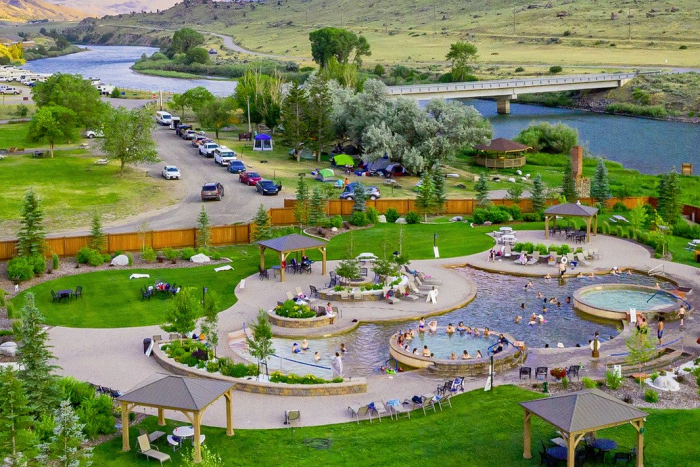





Table of Contents
Can You Swim in Yellowstone Hot Springs? Here's Where Families Can Actually Soak
You've seen those impossibly blue thermal pools in every Yellowstone photo. Grand Prismatic Spring looks like it was Photoshopped by someone who doesn't understand the concept of "too much saturation." So naturally, your kids want to know if they can jump in.
The short answer: not those pools, no. But here's the thing most visitors don't realize until they get here. You absolutely can soak in hot springs near Yellowstone. You just need to know where to look, and more importantly, which places are actually worth your time when you're traveling with kids.
I've watched families make the same mistakes for years. They spend hours researching the park's famous thermal features, only to arrive and realize they're all look-but-don't-touch. Or worse, they plan their whole trip around the Boiling River without checking if it's even open anymore. Spoiler: it's not. And it won't be. Let's fix that.
Key Takeaways
- Swimming in Yellowstone's famous thermal features is illegal and deadly. Over 20 people have died trying, and the water can literally melt skin in seconds.
- The Firehole River swimming area is closed for the entire 2025 season due to high water levels. This happens more often than the park admits.
- The legendary Boiling River was destroyed in the 2022 floods and won't reopen. Ever.
- Your best bet for family soaking is just outside the park. Three commercial hot springs within 45 minutes of park entrances offer safe, reliable experiences.
- Yellowstone Lake and most rivers are dangerously cold year-round, averaging 41°F. Hypothermia is a real risk even in summer.
Here's Why You Can't Soak in Most of Yellowstone's Pools
The park brochures don't emphasize this enough. Yellowstone's thermal features aren't just hot. They're boiling, acidic, and sitting on ground that can collapse without warning.
The water in places like Grand Prismatic Spring regularly exceeds 200°F. That's hot enough to cause third-degree burns in under a second. Some pools, like Sulphur Caldron, are as acidic as battery acid. And that colorful crust around the edges? About as stable as a layer of packing peanuts over a pot of boiling water.
More than 20 people have died from thermal burns in Yellowstone. Most were doing exactly what your adventurous teen is probably thinking about right now. Stepping off the boardwalk for a better photo or trying to "just touch" the water. The park doesn't publicize these incidents heavily because, frankly, they're gruesome. People don't survive long enough to be airlifted out.
Beyond the heat, invisible toxic gases like hydrogen sulfide and carbon dioxide collect in low spots around thermal areas. You won't see them. You won't smell them in time. And they can drop you before you realize something's wrong.
Stay on the boardwalks. I know it sounds like paranoid park ranger talk, but this isn't the place to push boundaries.
The Other Problem: Everything Else Is Freezing
Here's the surprise waiting for families. Most of Yellowstone's water is absolutely frigid.
Yellowstone Lake sits at 41°F on average. In summer. That's cold enough to trigger cold water shock if you jump in, which causes an involuntary gasp reflex that can lead to drowning. Even strong swimmers can lose muscle control within minutes of submersion.
The rivers aren't much better. Spring runoff turns them into powerful, freezing torrents that can sweep adults off their feet. I've seen families wading ankle-deep in the Firehole River in July, and even that's borderline uncomfortable without the geothermal influence warming things up.
The park allows swimming in certain rivers and lakes. But "allowed" doesn't mean "good idea." If you're determined to let the kids splash around, test the water temperature first. Stay in shallow areas. And never take your eyes off them.
Inside the Park: Your Extremely Limited Options
Firehole River Swimming Area (Closed for 2025)
This used to be the go-to answer when families asked where they could swim in Yellowstone. A short section of the Firehole River, warmed by geothermal seepage from below, created a rare comfortable swimming spot in the park.
The area is along Firehole Canyon Drive (a scenic one-way road south of Madison Junction), with stairs leading down to the riverbank. On hot summer days, it turned into an impromptu family beach. Kids splashing in water that's actually swimmable instead of hypothermia-inducing.
But here's the frustrating reality. It's closed more often than it's open. Heavy snowpack and spring runoff create dangerous currents, and the park won't open the area until water levels drop to safe levels. Some years that happens by mid-July. Some years it doesn't happen at all.
For 2025, the decision has already been made. The swimming area will remain closed for the entire season. Before you plan any future summer trips around this spot, check the National Park Service's current conditions page. Don't trust blog posts from 2019 or even last summer. This changes year to year.
The Boiling River: Gone and Not Coming Back
If you've been researching Yellowstone hot springs, you've probably seen glowing descriptions of the Boiling River. It was legendary. A large hot spring cascading directly into the cold Gardner River near Mammoth Hot Springs, creating perfect natural soaking pools you could adjust by moving between the hot and cold currents.
For decades, it was the park's most beloved soaking spot. You'd park near the 45th Parallel sign, hike a half-mile trail, and arrive at plumes of steam rising from the riverbank where dozens of people would be lounging in the perfect-temperature water.
Then came June 2022.
An extreme "rain-on-snow" event dumped unprecedented rainfall on top of heavy snowpack. The Gardner River swelled to a 500-year flood stage and carved an entirely new channel for itself. The floodwaters scoured away the old riverbank, destroyed the soaking pools, obliterated the access road and trail.
The hot spring still flows. You can see steam rising from the area. But it no longer mixes with the river in a way that creates swimmable pools. The National Park Service has made it clear: the Boiling River is closed indefinitely, and given the extent of the damage and the inherent liability of managing a natural swimming area, it's not coming back.
Stop planning trips around it. That era is over.
Dunanda Falls: For Serious Backpackers Only
There's one more legal soaking option inside the park, but I'm including it mostly so you understand why it's not realistic for most families.
Dunanda Falls sits deep in Yellowstone's remote Bechler region, known as Cascade Corner. It's a stunning 110-foot waterfall with natural hot spring pools at its base. Exactly the kind of backcountry experience that sounds incredible in theory.
Getting there requires a 17- to 19-mile roundtrip hike through grizzly country. You'll need a backcountry permit for overnight camping. You'll have to ford rivers that can be dangerous until mid-July. And you'll be carrying everything you need on your back.
If you have older teenage kids who are experienced backpackers and you're comfortable with serious wilderness travel, it's worth researching. For everyone else? This isn't the trip you're looking for.
The Real Answer: Hot Springs Just Outside the Park
Here's what I tell every family that asks me about soaking in Yellowstone. Skip the stress of limited in-park options and hit one of the commercial hot springs just outside the gates.
These aren't tourist traps. They're legitimate geothermal springs, most with decades of history, that offer everything families actually want. Safe water temperatures, clean facilities, and the ability to soak without worrying if today's the day the park decides to close access.
Yellowstone Hot Springs (Gardiner, Montana)
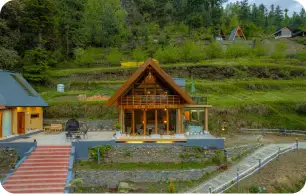
The Setup: Located 10 minutes north of Gardiner and the park's North Entrance, this is the newest and most modern facility on this list. Opened in 2018, tapping into the same LaDuke Hot Springs source that fed the historic Corwin Springs Hotel back in 1909.
Three pools sit on a hillside overlooking the Yellowstone River. The main pool hovers around 98-100°F (perfect for soaking without overheating). A smaller hot pool runs 103-105°F (for the heat lovers). And a cold plunge pool at 60-65°F (for the brave or those doing the Scandinavian hot-cold rotation).
The water flows constantly through the pools, which means it's always fresh. You're not sitting in recirculated water that's been through a dozen other families. There's no strong sulfur smell, which some kids (and adults) appreciate.
Best For: Families who want a straightforward, clean soaking experience with incredible views. The setting alone is worth it. Mountains on all sides, the river below, and on clear nights, stars that'll make you forget light pollution exists.
The Catch: It's more of a pure soaking spot than a destination resort. There's no restaurant on-site, though you can bring your own snacks and non-alcoholic drinks. If you're looking for a full day of entertainment, this might feel limited. But if you want to soak for a couple hours after a long day in the park? Perfect.
They've got cabins and RV sites if you want to stay overnight. Honestly not a bad way to start or end a Yellowstone trip.
Chico Hot Springs (Pray, Montana)
The Setup: About 40 minutes north of Gardiner, Chico has been hosting guests since 1900. This is Montana history. The kind of place where Teddy Roosevelt supposedly stayed, and where locals have been coming for generations.
Two outdoor pools. A large swimming pool that averages 96°F (great for kids who want to actually swim and play, not just soak), and a smaller, hotter pool around 103°F (for the parents who need to decompress after realizing they overpacked by about 40 pounds).
But Chico isn't just hot springs. It's a full resort. Historic lodge rooms, private cabins, covered wagons if you want the kids to have a story to tell. Multiple restaurants (including one of Montana's best fine dining rooms), a day spa, horseback riding, rafting nearby.
Best For: Families who want to make the hot springs part of a bigger experience. If you're thinking "let's take a rest day from the park," or if you want somewhere nice for dinner after soaking, Chico delivers.
The larger, cooler pool means kids can actually play here. Bring pool toys, floaties, whatever. It's less of a quiet meditation vibe and more of a "this is our vacation spot for the day" atmosphere.
The Catch: It's popular. Summer weekends can feel crowded. Mornings are quieter and more family-friendly. Evenings tend to draw the saloon crowd. If you're staying overnight, book well ahead. This place fills up.
Norris Hot Springs (Norris, Montana)
The Setup: About 45 minutes west of Bozeman (accessible from Yellowstone's West Entrance), Norris Hot Springs bills itself as the "Water of the Gods." Locals have a soft spot for this place.
One large pool with a unique wooden plank bottom built directly over the artesian springs. The temperature adjusts seasonally. Stays under 100°F in summer when you actually need cooling down, climbs up to 106°F in winter when a hot soak while snow is falling feels like exactly what you needed.
What makes Norris different is the vibe. There's a poolside stage with live music on weekend nights, a laid-back cafe serving local food and Montana beer, and an atmosphere that feels more like a small music festival than a spa.
Best For: Families with older kids or teens who'll appreciate the music and the funkier, less polished atmosphere. If your teenagers are rolling their eyes at another "family activity," the live music might actually win them over.
Road-trippers heading between Yellowstone and Glacier often stop here. There's an on-site campground, which makes it easy to add to an itinerary without backtracking.
The Catch: The single pool and bar scene make it less ideal for younger kids. It's not that it's inappropriate. It's just more of an adult-focused space that happens to allow families, rather than a kid-centric resort.
Choosing the Right Hot Springs for Your Family
I get asked this constantly. Which one should we pick?
If you want convenience and mountain views: Yellowstone Hot Springs is 10 minutes from the North Entrance. Soak for a couple hours, drive back to your hotel in Gardiner, done.
If you want a full-day or overnight destination: Chico offers everything. Pools, food, lodging, activities. Make it the centerpiece of a rest day from the park.
If you're driving between parks and want a local experience: Norris is perfectly positioned between Yellowstone and Glacier, and the live music gives it character.
If your kids are young and need a swimming pool, not just soaking: Chico's large, cooler pool wins. Kids can actually play.
If you value a quieter, more relaxing soak: Yellowstone Hot Springs keeps things calm with rules against floaties and a more meditative atmosphere.
All three are legitimate geothermal springs with clean facilities and safe water. You're picking based on what kind of experience you want.
What to Pack for a Hot Springs Day
A little planning saves a lot of frustration.
Multiple Swimsuits: Suits take forever to dry, especially in humid conditions. Pack a backup so you're not driving home in a damp swimsuit.
Towels: Most places rent them for a few bucks, but bringing your own saves money. Throw an extra one in the car for the drive back.
Water Shoes or Sandals: Decks get slippery. Natural-bottomed pools can be rocky.
Sun Protection: Even on cloudy days. Even in winter. The combination of altitude and reflection off water makes sunburn happen fast. Pack sunscreen, hats, and sunglasses.
Water Bottles: You'll dehydrate faster than you think when you're soaking in hot water. Bring non-glass containers filled with water.
Snacks: Kids will be hungry after swimming. Always.
A Wet Bag: Something waterproof to stash damp suits and towels. A simple plastic bag works, but reusable wet bags are clutch if you're doing multiple stops.
Frequently Asked Questions
Can we swim in Yellowstone Lake or the rivers?
Technically yes, in some areas. But I wouldn't plan on it. Yellowstone Lake averages 41°F year-round. That's cold enough to cause cold water shock and hypothermia within minutes, even on the hottest August day. Most rivers are similarly frigid, and spring runoff makes them downright dangerous with strong currents that can sweep adults off their feet.
The park allows swimming in certain spots. But "allowed" and "advisable" are different things. If the kids insist on getting in the water, stay in very shallow areas, test the temperature first, supervise closely.
What really happened to the Boiling River?
The June 2022 flood was a legitimate "once in 500 years" event. The Gardner River swelled to record levels and carved out an entirely new channel, deeper and farther from where the hot spring enters the area. The old soaking pools were scoured away completely.
While Yellowstone's thermal features are always changing, the National Park Service has stated the Boiling River won't reopen. The infrastructure damage is too extensive, the liability too high, and the landscape has fundamentally changed. It's part of Yellowstone history now.
Are these hot springs open in winter?
Yes. All three commercial hot springs near the park operate year-round. Soaking in steaming mineral water while snow falls around you is genuinely magical. It's one of those experiences that makes winter visitors understand why some people prefer Yellowstone in the off-season.
Winter rates are sometimes lower, and you'll avoid the summer crowds. Just pack warm clothes for getting from the parking lot to the pools.
What's the Native American history with these hot springs?
Thousands of years before Yellowstone became a park in 1872, Indigenous peoples were living here, traveling through, using these thermal features as part of their lives. Multiple tribes used these springs. The Crow, the Blackfeet, the Shoshone-Bannock. The Tukudika (sometimes called Sheepeaters) actually lived in the area year-round.
Contrary to myths that early park promoters spread, tribes didn't fear the thermal features. They revered them as sacred places with spiritual power. They'd use the hot water for healing rituals, for medicine, for practical stuff like softening bighorn sheep horns to make them pliable for crafting their famous bows.
These were holy sites. Worth remembering when you visit.
So what's actually making the water hot?
You're sitting on top of a supervolcano. All of Yellowstone's famous thermal stuff (the geysers, hot springs, mudpots) exists because there's a massive magma chamber just a few miles below the surface.
Rain and melted snow work their way down into the ground through cracks in all that volcanic rock. That water gets superheated by the magma below (sometimes exceeding 400°F) but stays liquid because of the immense pressure. As the lighter, superheated water rises back toward the surface, it emerges as the hot springs, geysers, and thermal features that make Yellowstone unique.
The whole system is basically a giant pressure cooker with thousands of release valves scattered across the landscape.
What's the best time to visit the commercial hot springs with kids?
Mornings are generally quieter at all three locations. At Chico, mornings skew more family-friendly, while evenings bring in more of the après-adventure crowd from the bars and restaurants.
Yellowstone Hot Springs offers all-day passes, so you have flexibility. Arriving right when they open or later in the afternoon can help you miss the midday rush.
At Norris, weekends feature live music, which is either a selling point or a reason to visit on a weekday morning, depending on what you're looking for.
Should we tell our kids about the people who died in the hot springs?
Depends on your kids' ages and temperaments. For younger children, a simple "the water is dangerously hot and will hurt you" is usually enough. For older kids and especially teens who might be tempted to test boundaries, knowing the stakes can be important.
You don't need to be graphic. But making it clear that this is a real danger (not park rangers being overly cautious) can help them understand why the rules exist. More than 20 people have died from thermal burns in Yellowstone. That number should mean something.
The Bottom Line
Look, Yellowstone's hot springs are legitimately incredible. The colors, the steam, the sheer geological weirdness of it all. They're worth every mile you drive to get here. You just can't get in most of them.
But the commercial hot springs outside the park offer exactly what most families are looking for anyway. Safe, clean, reliable soaking after a long day of hiking and wildlife watching. You won't get the Instagram shot of soaking in a pristine wilderness pool. But you will get to actually relax without worrying about whether today's the day the park decides to close access or whether that inviting pool is actually acidic enough to dissolve bone.
Book one of the three spots listed here, pack your extra swimsuit, and plan for a couple hours of soaking. Your legs will thank you after all those boardwalk miles.