Snowmobiling

Table of Contents
Start Your Planning With These Local Businesses
Local Businesses









Yellowstone Snowmobiling: Your Family's Guide to Winter in the Park
Most families picture Yellowstone in summer. Bison jams. Crowds stacked three deep around Old Faithful. Kids asking "are we there yet" from the back of a hot car.
Winter is a different park entirely.
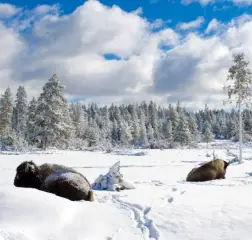
We're talking steam columns rising hundreds of feet in subzero air. Bison crusted with frost, huddled near thermal features for warmth. And quiet. The kind of quiet that makes your kids actually look up from their phones.
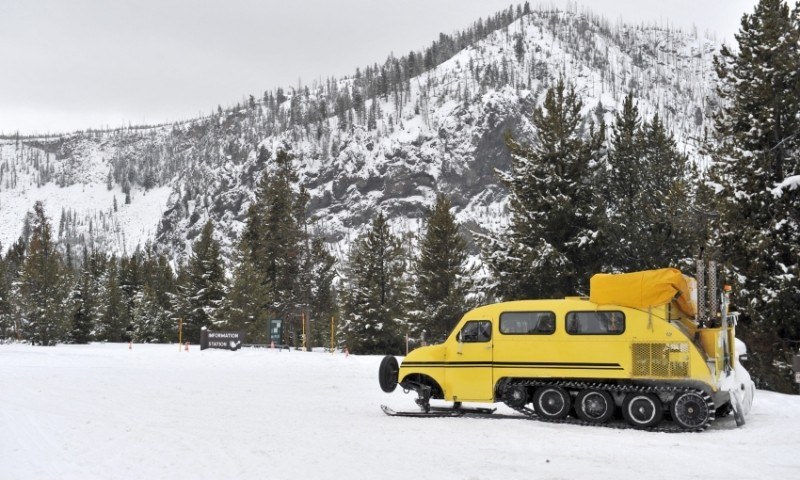
Snowmobiling is how you access all of it. You've got two options: guided tours inside the park (wildlife, geysers, slower pace) or self-directed riding outside in West Yellowstone (powder, speed, freedom). After taking families through both, we recommend doing one of each if your schedule allows. The experiences complement each other perfectly.
Here's everything you need to plan this trip without drowning in research.
Key Takeaways
- Inside the park requires a guide or special permit. No exceptions, and only specific Ski-Doo models are allowed.
- Peak season (Christmas through February) books out 4 to 6 months ahead. If you're planning around school breaks, start now.
- Budget $250 to $350 per person for park tours, $200 to $250 for backcountry tours outside the park. Rentals alone run $100 to $200 per day.
- West Yellowstone offers 400+ miles of trails where you can ride independently. Great for older kids and teens who want more action.
- Kids as young as 5 or 6 can ride as passengers with an adult. Teens with licenses can often operate their own machines on guided tours.
- The N-CGSAP permit lottery opens every August if you want to lead your own group inside the park. It's competitive.
Why Guided Tours Inside Yellowstone Work for Families
Snowmobiling inside Yellowstone isn't about speed. It's about access.
When 90% of the park's roads close to regular vehicles, snowmobiles become your ticket to places most winter visitors never see. You'll ride roughly 200 miles of groomed trails at deliberately slow speeds. The park caps it at 35 mph, and your guide won't push anywhere near that.
This matters for families. Younger kids stay comfortable. Parents can actually look around instead of white-knuckling handlebars. And everyone gets to stop, watch wildlife, and take photos without feeling rushed.
Book your park tour first. These fill up fastest, especially during holiday weeks. Christmas through mid-February? You're looking at October bookings or earlier.
Check availability for guided Yellowstone snowmobile tours →
What Your Kids Will Actually See (and Remember)
Let's talk about what makes this worth the planning.
Geysers in winter hit different. When Old Faithful erupts at 200+ degrees into 10-degree air, the steam column reaches heights you won't see in July. Fountain Paint Pot, the Grand Canyon of the Yellowstone, Lower and Upper Falls partially frozen into massive ice sculptures. The thermal features pop against white snow in ways summer's brown landscape can't match.
Wildlife concentrates in the valleys. Winter pushes animals down from high country. Bison cluster near geothermal areas for warmth. Elk move to lower elevations. Coyotes hunt more visibly against the snow. Wolves show up in places like Lamar Valley if you're patient and lucky.
Your guide knows where animals tend to be and understands behavior patterns that help you spot them. They'll also keep your family at the legally required distances (100 yards from wolves and bears, 25 yards from everything else). These aren't suggestions. Fines start at $5,000.
For kids who've studied Yellowstone in school or watched nature documentaries, seeing this stuff in person lands hard. It's the kind of trip they'll reference for years.
How Much Does a Guided Park Tour Cost?
Expect to pay $250 to $350 per person. That includes the snowmobile, helmet, and guide.
Park entrance fees are separate. You're looking at $35 per vehicle for a 7-day pass, though if you've got an America the Beautiful pass, you're covered.
Most outfitters rent full snowmobile suits, boots, and other cold-weather gear for $20 to $40 extra. Worth it if you don't already own serious winter gear or don't want to pack it.
For a family of four: Figure roughly $1,200 to $1,600 for one guided park tour day, including gear rental and park entrance. Add that to your overall trip budget alongside lodging, meals, and any additional riding days outside the park.
Can You Snowmobile Yellowstone Without a Guide?
Yes, but it takes planning. The Non-Commercially Guided Snowmobile Access Program (N-CGSAP) lets a limited number of groups enter the park daily without a commercial guide.
Here's How the Lottery Works
- Applications open August 1 and close August 31
- Winners get notified mid-September
- The season runs December 15 through March 15
- You can apply for 1, 2, or 3-day permits
What you need to qualify: Your group leader must be 18+ with a valid driver's license. Every operator needs a license too. Everyone has to complete a free online Yellowstone Snowmobile Education Certification course. Takes about an hour, valid for two years.
The snowmobile requirement is strict. Only New-Best Available Technology (BAT) four-stroke machines qualify. Right now, that means specific Ski-Doo models. You can't bring your own two-stroke, and no other manufacturer currently meets the park's emission and noise standards.
Costs: $6 application fee, then $40 per day if you win. Park entrance is on top of that.
The honest assessment: This option works best for families who've done guided tours before and want more independence, or for groups with experienced riders who don't need interpretation. If this is your first Yellowstone winter trip with kids, a guided tour removes a lot of variables.
Apply in August if you're interested. Have backup dates. And have a Plan B for if you don't win.
West Yellowstone: 400+ Miles of Trails Outside the Park
Step outside Yellowstone's boundaries and the rules change completely.
West Yellowstone, Montana calls itself the "Snowmobile Capital of the World." The town sits surrounded by Custer-Gallatin, Beaverhead, and Targhee National Forests, all of which allow unrestricted snowmobiling on a massive trail network.
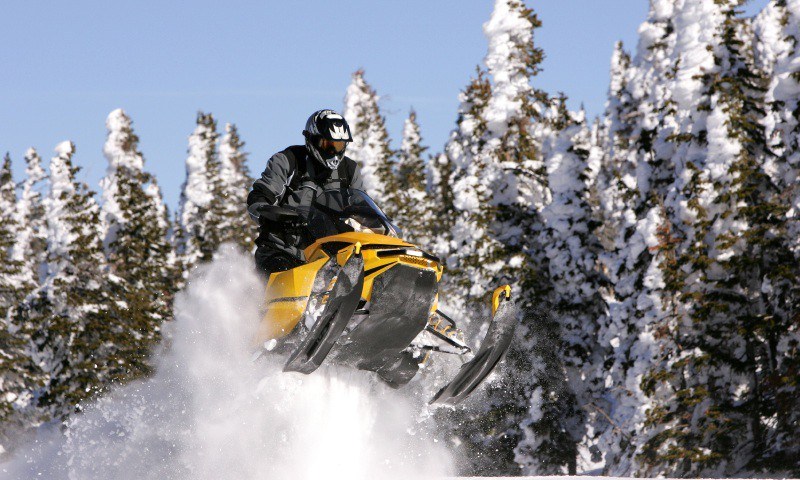
You get over 400 miles of groomed and ungroomed trails. Off-trail powder riding is allowed in many areas. Speed limits don't exist on most routes. And you can rent a much wider variety of machines, including high-performance sleds that would never pass park standards.
This is where teens and older kids get to open it up. If your family includes experienced riders or kids who find the park's slow pace frustrating, a day outside the park balances the trip.
Best Trails for Families Near West Yellowstone
Madison Arm Loop (20 miles): This is the family-friendly option. Mostly flat, groomed, scenic. Follows the South Fork of the Madison River. Manageable for newer riders and kids riding with parents. One note: don't ride on Hebgen Lake itself. The ice rules are strict and conditions vary.
Two Top Trail: Famous for "snow ghosts," which are trees so heavily coated in ice and rime they look like sculptures. The trail climbs 2,000 feet and gives you views of the Tetons, Yellowstone, and the Centennial Mountains. Bring a camera. This one works for families with older kids who can handle some elevation gain.
South Plateau Trail (13 miles): Heads south from West Yellowstone with options to go off-trail. Runs along the park's western boundary. Critical warning: do not cross into Yellowstone's backcountry on an unguided snowmobile. That's illegal. Penalties include fines up to $5,000, six months in jail, and forfeiture of your snowmobile.
Lionhead Trail (10 miles): For experienced riders only. Climbs to 10,000 feet along the Continental Divide. Steep terrain, deep snow, serious views. Not appropriate for young kids or beginners.
Big Sky Trail (110 miles): Combines groomed sections with wide-open powder bowls. This is for aggressive riders who know what they're doing. Teens with real experience might be ready for sections of this, but assess honestly.
What Does Riding Outside the Park Cost?
Snowmobile rentals in West Yellowstone run $100 to $200 per day depending on the model. Guided tours of national forest areas cost $200 to $250 per person. Some outfitters charge separately for machine rental and guide service, so clarify pricing before you book.
Gear rental typically adds $20 to $40 for suits and boots. Most places include helmets, goggles, and gloves with the snowmobile.
If you're not a Montana resident: You need a Snowmobile Nonresident Temporary Use Permit. It's $25 per machine. Get it before you ride.
Inside vs. Outside the Park: Which Should You Choose?
| Feature | Inside Yellowstone (Guided) | Outside Yellowstone (West Yellowstone) |
|---|---|---|
| Experience | Sightseeing, wildlife, geothermal features | Speed, powder, terrain variety |
| Guide Required | Yes | No |
| Speed | Slow (35 mph max, usually less) | High (varies by area) |
| Trail Miles | ~200 groomed | 400+ groomed and ungroomed |
| Snowmobile Type | BAT Ski-Doo only | Wide variety |
| Cost | $250-350/person tours | $200-250/person tours, $100-200 rentals |
| Booking Difficulty | High (especially peak season) | Moderate |
| Best For | First-timers, younger kids, wildlife focus | Experienced riders, teens, adrenaline |
Our recommendation: Do both if you can. Base yourself in West Yellowstone. You're right at the park's west entrance for guided tours and surrounded by national forest trails for independent riding.
A Sample 4-Day Structure That Works for Families
- Day 1: Arrive, settle in, rent gear, explore town
- Day 2: Guided park tour (after you've adjusted to altitude and cold)
- Day 3: Backcountry ride outside the park
- Day 4: Rest day or second ride depending on energy levels
Adjust based on your kids' ages and everyone's stamina. Don't over-schedule. Winter days are short and cold takes it out of you.

What to Wear: Layering That Actually Works
Yellowstone winters get colder than most families expect. Temperatures drop to -20°F or worse, and windchill on a moving snowmobile makes it feel brutal. Layer wrong and you'll spend the whole day wishing you were back at the hotel.
Base layer: Synthetic or merino wool long underwear, top and bottom. Skip cotton entirely. It holds moisture and will make you colder. This layer should fit snug and wick sweat.
Mid layer: Fleece or wool for insulation. A fleece vest works well because it keeps your core warm without restricting arm movement.
Outer layer: Windproof, water-repellent insulated jacket and pants. Gore-Tex or similar. Many rental shops offer one-piece snowmobile suits, which are warmer and easier than coordinating separate pieces. We recommend renting suits if you don't already own this gear.
Head and hands: Warm hat that covers ears completely. Windproof insulated gloves or mittens. Mittens are warmer if you can handle less dexterity.
Feet: Wool or synthetic socks with roomy insulated boots. Tight boots cut circulation and make feet colder no matter how thick the socks.
The local trick: Hand and toe warmers. Put full-sized foot warmers in boots every morning. They make a real difference over a 4 to 6 hour day.
Most tour operators and rental shops offer full gear packages if you don't want to buy or travel with bulky winter equipment.
Safety Rules Your Family Needs to Follow
Wildlife distances are federal law. Stay 100 yards from wolves and bears, 25 yards from bison, elk, and everything else. If an animal changes behavior because of you, you're too close. Move along. Rangers issue citations and they're expensive.
Stay off frozen lakes and rivers. Ice thickness varies wildly, conditions change fast, and falling through is a leading cause of snowmobile fatalities. Some trails cross ice, and if you absolutely must, you're responsible for verifying it's safe. Most experienced locals avoid it entirely.
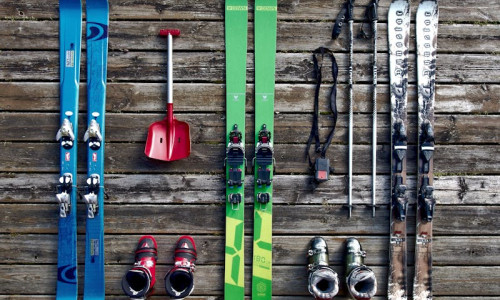
Avalanche awareness matters in the backcountry. If you're riding outside the park in national forest areas, avalanche risk is real. Carry a transceiver, probe, and shovel. Know how to use them before you need them. Check the Gallatin National Forest Avalanche Center forecast every day you ride. Consider taking an avalanche safety course if your family is new to backcountry winter recreation.
This doesn't apply inside Yellowstone on guided tours. Stick to groomed trails and your guide handles the safety assessment.
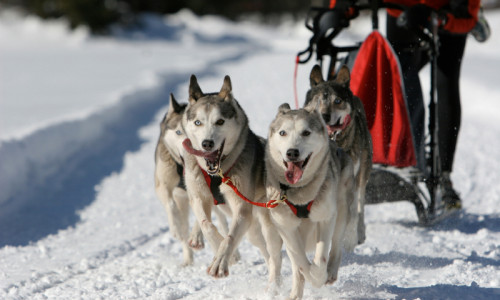
Trail etiquette: Slow down around hikers, skiers, and dog sleds. Give trail groomers space. Help other riders if they're stuck or in trouble. Winter backcountry has an ethic of mutual support worth honoring.
What to Pack for Your Trip
Documents
- Valid driver's license for every operator
- Park pass or payment method
- N-CGSAP permit if applicable
- Montana non-resident snowmobile permit ($25) if riding outside the park
Clothing
- Thermal base layers (synthetic or wool, not cotton)
- Fleece or wool mid-layers
- Insulated windproof jacket and pants
- Warm hat covering ears
- Windproof gloves or mittens
- Wool or synthetic socks
- Insulated winter boots with room for thick socks
Gear
- Goggles or sunglasses (sun glare off snow is intense)
- Hand and toe warmers
- Small day pack
- Insulated water bottle
- High-calorie snacks
- Camera
Backcountry Safety (Outside Park Only)
- Avalanche transceiver
- Probe
- Shovel
- First aid kit
Frequently Asked Questions
When is snowmobile season in Yellowstone?
December 15 through March 15 inside the park. West Yellowstone's season starts earlier (often late November) and runs through April depending on snow conditions.
Can kids ride snowmobiles in Yellowstone?
Kids as young as 5 or 6 can ride as passengers with an adult operator on most guided tours. Check specific age and height requirements when booking. Teenagers with driver's licenses can often operate their own machines, though some companies set minimum ages at 18.
What's the best month to visit with a family?
January and February offer the most consistent snow and coldest temperatures, which means better steam plumes from geysers. December and March are milder and less crowded but can have more variable conditions. Holiday weeks book earliest, so plan accordingly if you're tied to school schedules.
How much should we budget for a 3-day trip?
For snowmobiling costs alone, figure $750 to $1,000 per person mixing park tours and backcountry rentals. Add lodging ($150 to $300 per night for family-sized accommodations in West Yellowstone), food, park entrance fees, and gear rental. A family of four is looking at $3,000 to $4,500 for a long weekend. Budget more for 5-day trips.
What if weather cancels our tour?
Most operators reschedule or refund based on their policies. Book with reputable companies and read cancellation terms before paying. Winter weather in Yellowstone is unpredictable. Build flexibility into your itinerary when possible.
Is winter actually better for wildlife viewing?
For certain animals, yes. Bison, elk, coyotes, and wolves are more visible against snow and concentrated in lower valleys where you're traveling. Bears are hibernating. The tradeoff is worth it for families interested in seeing large mammals up close in uncrowded conditions.
Ready to Start Planning?
Book your guided park tour first, then build the rest of your trip around it. Peak season fills fast.