

Why should I drive through the Madison River Valley?
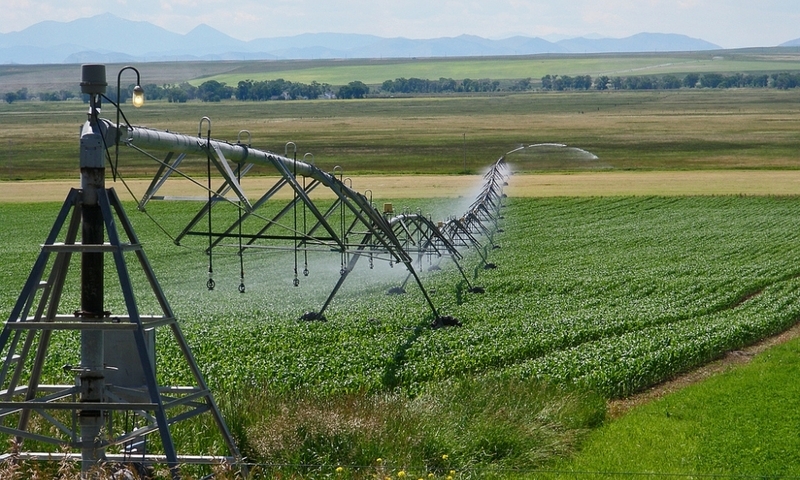
- Visit Ennis Montana: William Ennis quickly homesteaded the site along the Madison River in 1863, during the gold rush discoveries in Alder Gulch. The spirit of the old west lives on in the local farms, ranches and rodeos. Ennis continues as the hub of this active region, a community of 1,000 people. You'll find a small art community, quaint lodging options, and a few restaurants.
- Explore Historic Virginia City: Just 14 miles west of Ennis, discover the historic ghost town of Virginia City. Many of the town's original buildings still stand and there is a saloon and a couple shops.
- Soak in Norris Hot Springs: North of Ennis, stop by Norris Hot Springs for a soothing soak in their wood-bottomed pool. They have a grill and often book live music for the weekends.
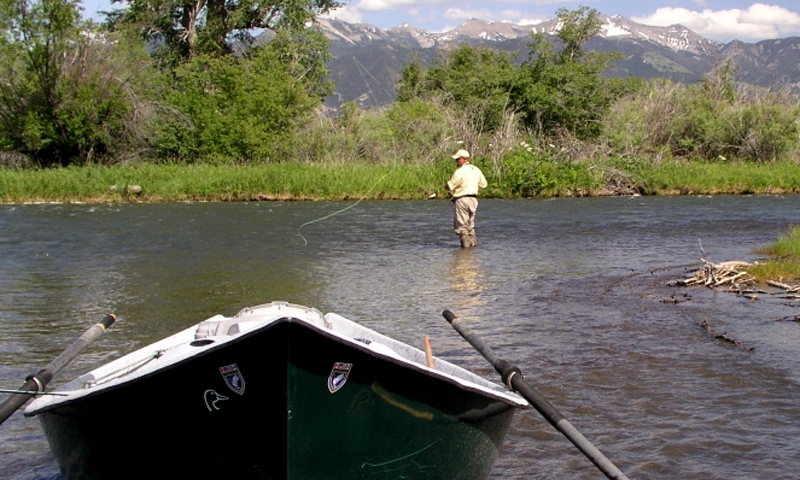
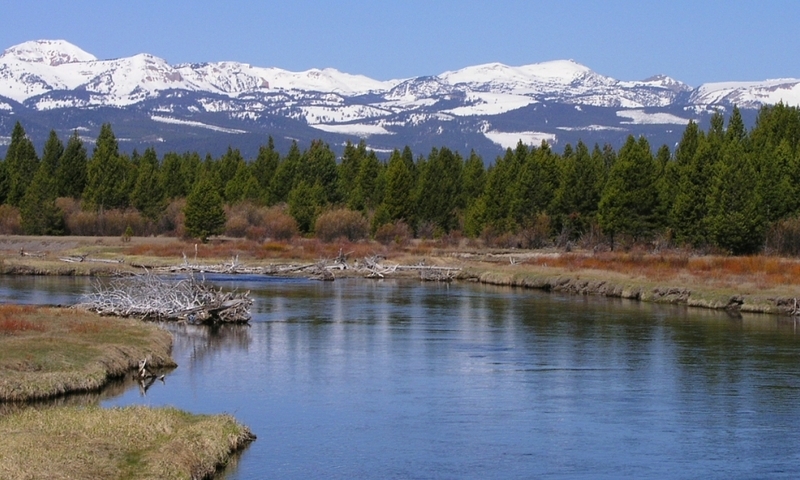
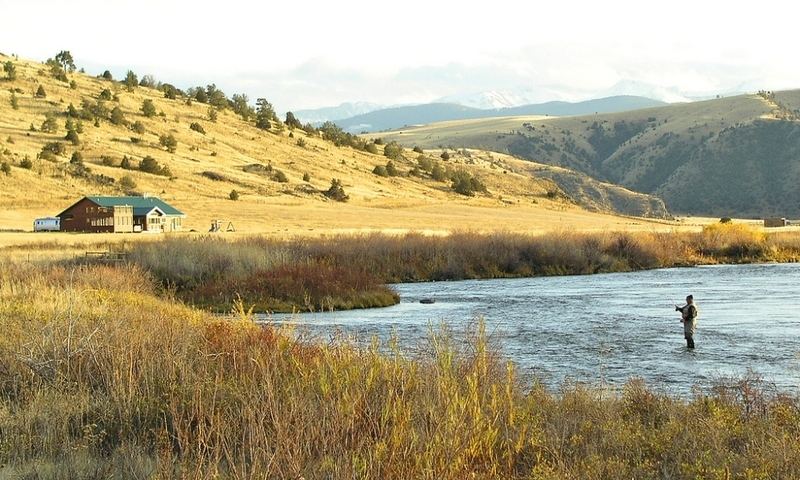
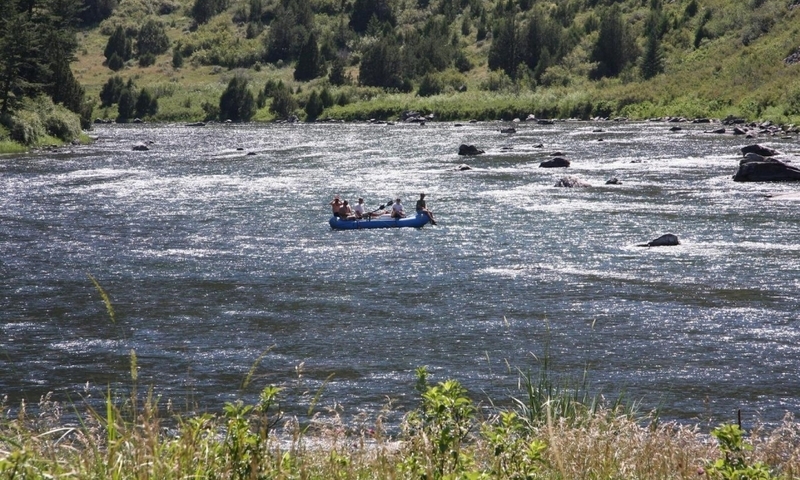
- Fish the Madison River: The famous Madison River is known as the "fifty mile riffle." It seems as if the water between Quake Lake and Ennis Lake never changes. There are no slow pools, boulders, fallen trees, or tumbling runs to be found. What you will find is a straight wide river characteristic of a long giant riffle. The river is remarkable as it flows at a steady pace which makes it easier for beginners to be successful. The trout do not have the greatest of opportunity to examine your fly with the water's consistent flow. The river is very accessible, easy to wade and easy to drift just the same. It has an excellent diverse population of large trout including rainbows, browns, and a few cutthroat and cutt-bows.
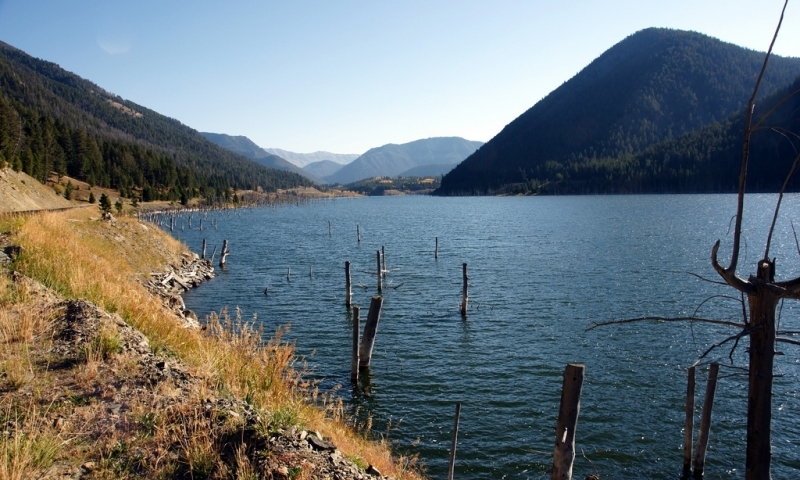
- Hebgen and Quake Lakes: The Madison River leaves the park at West Yellowstone and flows northwest into Hebgen Lake and then into Quake Lake. Hebgen Lake offers boating, fishing, ice fishing, and camping. Quake Lake was created by an earthquake in 1959 and has unique dead trees that still stand tall in its waters - stop by the Visitor Center to learn more.
- Bear Trap Canyon: Below Ennis Lake, the Madison makes another 30 mile journey until meeting with the Gallatin and Jefferson to form the Missouri. This stretch of river enters the steep Bear Trap Canyon, only navigable by whitewater rafters.
Where does the Madison River Valley begin and end?
If you are traveling from south to north, the Madison River Valley begins just as the Madison River leaves Quake Lake, northwest of West Yellowstone. It runs about 90 miles north to Three Forks, Montana.
How long does it take to drive?
It takes about 1.5 hours to drive straight through, but plan on longer if you stop in Ennis, at Norris Hot Springs, and to fish along the way.