Canyon Village, Yellowstone National Park

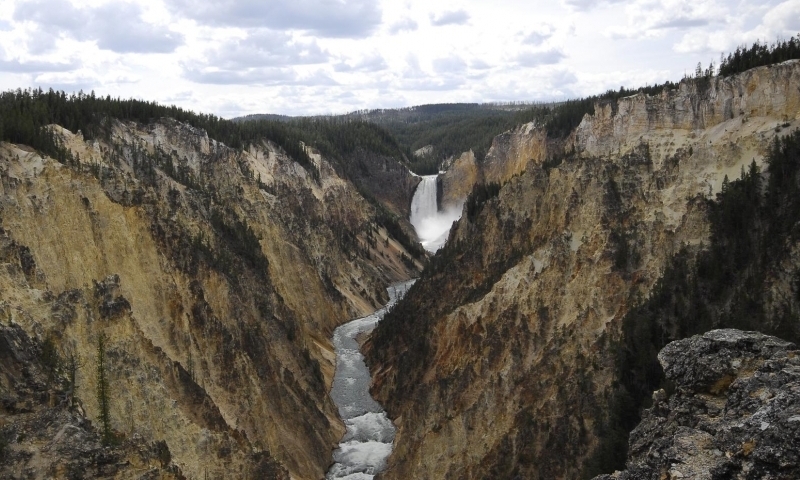

Photo © iStockPhoto

Photo © National Park Service

Photo © National Park Service

Photo © Greg Winston Photography

The Canyon Village area of Yellowstone is one of the most majestic areas found within the Park boundaries. With the Grand Canyon of the Yellowstone River as the highlight, the views are vast, deep and sure to inspire. Consider staying at the Canyon Lodge or Campground and join a park ranger program to learn more about the area.
Why should I visit Canyon Village?
Canyon Village is your basecamp for exploring the Grand Canyon of the Yellowstone River, one of the most popular features in Yellowstone National Park. With a campground, lodge, restaurant, and many viewpoints and trails, it's easy to spend at least a day in this area.
Where is Canyon Village?
Canyon Village is located smack dab in the center of the park. Three roads lead to Canyon: Norris is 12 miles to the west; Tower Falls is 19 miles to the north; and Lake Village/Fishing Bridge is 16 miles to the south. If you are driving the park loop road, you'll run into Canyon Village along the eastern edge of the loop.
What sort of services and amenities are available at Canyon Village?
Lodging is available at the Canyon Lodge and Cabins, offering basic motel rooms and individual cabins. Or you can camp at one of the 270 campsites at Canyon Campground. Reservations can be made a the lodge, cabins, or campground: call 307-344-7311.
There are a few places to eat in Canyon Village. Try the Canyon Lodge Dining Room or Cafeteria. For supplies or picnics, there is also a general store, adventure gear store, and picnic shop.
Other services in the area include a ranger station, gas station, post office, and Visitor Center which offering information, book/gift shop, unique and educational exhibits, as well as backcountry information and permits.
What can I do and see at Canyon Village?
- Grand Canyon of the Yellowstone River: Perhaps one of the most photographed views of the park, the Grand Canyon of the Yellowstone features two breathtaking waterfalls, a vast canyon lined with yellow cliff walls, and a number of viewpoints and hiking trails.
- Hiking Trails: Hike down to the Brink of the Falls or along the entire North Rim from the Upper Falls to Inspiration Point. Along the South Rim, check out Uncle Tom's Trail. Or take a half day hike up to Observation Peak for great views of the entire area.
- Ranger Programs: During the summer months, join a ranger for a walk, talk, or evening program.
- Canyon Visitor Education Center: This visitor center features the Yellowstone supervolcano. Explore interesting exhibits on the potential of a supervolcano, as well as other park geothermal features.
- Hayden Valley: Just south of Canyon Village, drive through the scenic Hayden Valley, featuring one of the highest concentrations of wildlife in the park.