West Thumb Visitor's Center
WEST THUMB - Yellowstone: West Thumb & Grant Village: Marina
Located on the southern shore of Yellowstone Lake, Grant Village offers dramatic views of summer squalls and one of Yellowstone's most inspiring sunrises. Perhaps the primary appeal of the village, the southernmost outpost in the park, is its location as a starting place for travelers to spend their first night in Yellowstone, or as a farewell place for those leaving for Grand Teton National Park.
The Grant Visitor Center is located on the shore of the West Thumb of Yellowstone Lake, one mile off of the main park road at Grant Village Junction. The visitor center and development are named for President Ulyssess S. Grant, eighteenth president of the United States, who signed the bill creating Yellowstone National Park in 1872. The Grant Village Visitor Center has information, publications, a slide program, and a fascinating exhibit examining the effects of fire in Yellowstone. Ten Years after Fire, a film about the fires of 1988, is shown on a regular schedule throughout the summer months.

The amenities at Grant Village include a restaurant, guest accommodations, general store, a modest gift shop, and a service station. The Grant Village Restaurant has an excellent dining room with views of the lake. Keep in mind reservations are recommended. Nearby is another restaurant, Lake House, which serves primarily steak and chicken dinners in a dining room closer to the shoreline. Guest accommodations are in a motel-style building, with a general store that serves light meals and fast food.
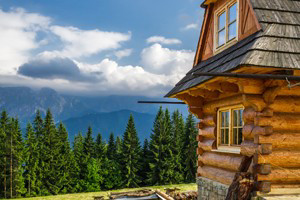
Head north from Grant Village Junction to West Thumb, a short distance of approximately 3 miles. This area is known as the West Thumb Geyser Basin, notable for a unique series of geysers. Some are situated right on the shores, some overlook the lake, and some can be seen beneath the lake surface. Details about the area, along with maps, are available in the historic West Thumb Information Station. The log structure, that functioned as the original West Thumb Ranger Station, also serves as a sales outlet as well as a meeting place for interpretive walks and talks during the summer season. The center is open daily from May through September from 9am to 5pm. During the winter, this facility serves as the West Thumb Warming Hut. Visitors can warm up, read interpretive exhibits on history and a variety of winter topics, with having their questions answered by a knowledgable staff person.
North of West Thumb Geyser Basin, the road travels along the western shoreline of Yellowstone Lake to Bridge Bay Marina. Along this drive remains one of the park's best-kept secrets, even though well marked on park maps. The Natural Bridge, near Bridge Bay, is a geologic masterpiece consisting of a massive rock arch 51 feet overhead, spanning Bridge Creek. The mile-long path down to the bridge is well worth the detour, and you may end up enjoying it by yourself.
The Bridge Bay Marina, just south of Lake Village, is the center of the park's water activities. Yellowstone Lake is an ideal fishing spot in the summer, and has the largest population of native cutthroat trout in North America. The lake is also an ornithologist's paradise; the skies filled with osprey, bald eagles, white pelicans, and cormorants. Shoreside, moose and grizzly bear are especially prevalent during the trout runs in spring. You can arrange for guided fishing trips or rentals for small boats at the Bridge Bay Marina. There is also an informative and entertaining 1-hour narrated boat tour, where the skipper shares fascinating facts about the area's history. The marina is usually open from mid-June to mid-September.
Yellowstone Lake is North America's largest high-altitude lake at 7,773 feet. It is also 20 miles long, 14 miles wide, contains 110 miles of shoreline, has depths ranging to 390 feet, and is extremely cold. The lake exhibits it multifaceted personalities every day, which range on the emotional scale from a placid, mirrorlike surface to a cauldron whipped by southerly winds that creat 3 to 4 foot waves. Boaters are warned to be especially cautious because of the number of boat-related fatalities related to hypothermia.
Content Error? let us know OR write for us!