



- Get off the beaten path to enjoy the wilderness at Lone Star Geyser Yellowstone Park.
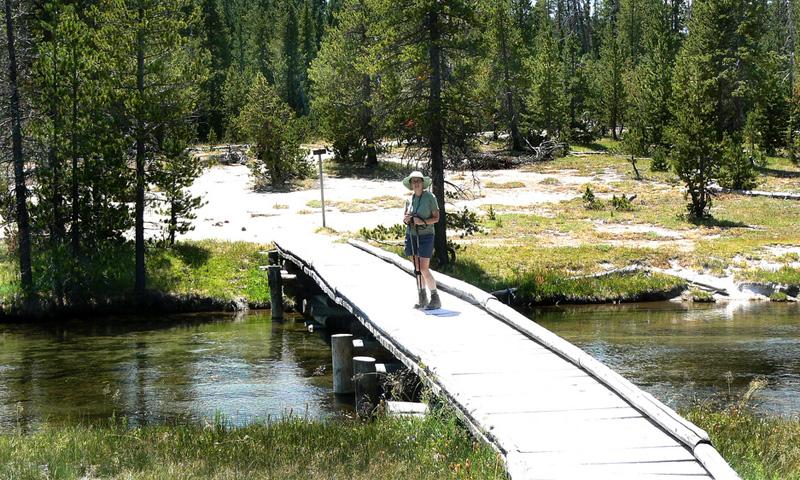
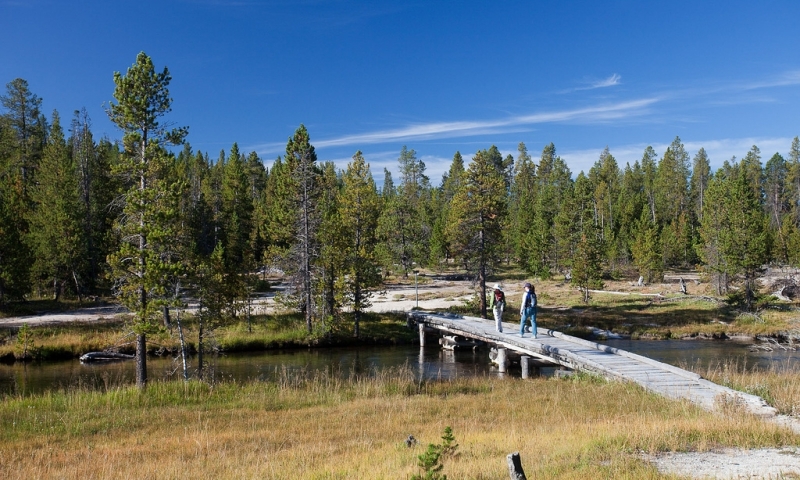
- Hike an old road bed that follows the Firehole River.
- You can also bike (or cross country ski) this trail.
- Lone Star Geyser erupts roughly ever 3 hours.
What can I see and do at Lone Star Geyser?
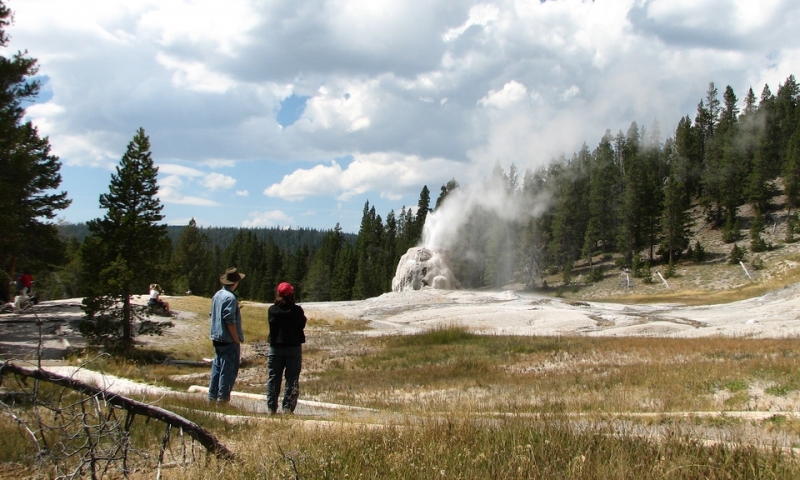
- Lone Star Geyser: Yellowstone Lone Star Geyser erupts approximately every three hours, reaches a height of 45 feet and lasts about 30 minutes. Lone Star Geyser Yellowstone National Park has both major and minor eruptions. There are two, sometimes three, minor eruptions that occur prior to the major eruption. The minor eruption reaches about 45 feet, but only last for about 5 minutes and does not conclude with a steam phase, as does the major eruption. Be sure to stay for the major eruption then find an isolated spot to relax or picnic. Check in at the Old Faithful Visitor Center for predicted eruption times.
- Biking: Rent a bike or bring your own and follow this easy trail out to the geyser and back. This is one of the few trails in the park that allows bikes. Bike rentals are available at Old Faithful.
- Hiking: This old road follows the beautiful Firehole River for a 5-mile round trip hike to Lone Star Geyser. Even though you are on a road, there are no cars and you'll quickly leave the hustle and bustle of Old Faithful. Plan for a half day trip.
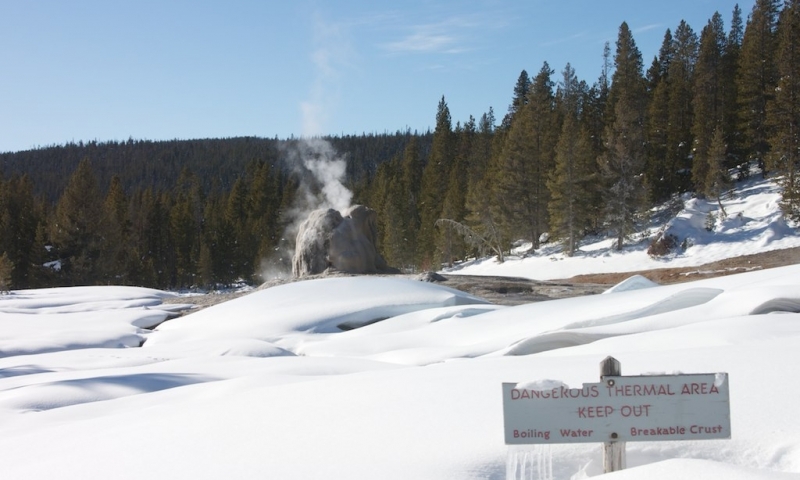
- Cross Country Skiing: In the winter months you can access Lone Star Geyser via skis. Take a snowcoach ride to the trailhead from Old Faithful.
Where is Lone Star Geyser?
Just three and a half miles southwest from Old Faithful, on the south side of the road, you’ll find a parking area near Kepler Cascades. From here follow the 5 mile round trip Lone Star Trail along an old paved road to the geyser. You can either hike or bike this trail.
When can I visit the Lone Star Geyser?
During the summer and fall, before the roads close for winter, you can access the Lone Star Geyser by hiking or biking along the Lone Star Trail. In the winter months, the trailhead is only reachable by snowcoach. Once at the trailhead you can cross country ski the 5-mile round trip route to the Geyser.